For Those Who Served
The conditions that follow active service are rarely simple, singular, or separated from one another. Chronic pain sits alongside disrupted sleep. Post-traumatic stress threads through depression and anger. Head injury reshapes concentration and personality. Chemical exposure produces a multisystem picture that conventional medicine struggles to name, let alone treat.
At Warrior Homoeopath, we take the full case. Every symptom, every timeline, every layer of the person sitting before us. The presenting complaint is the entry point, not the destination. No two soldiers are treated identically, because no two soldiers experienced the same war in the same way.
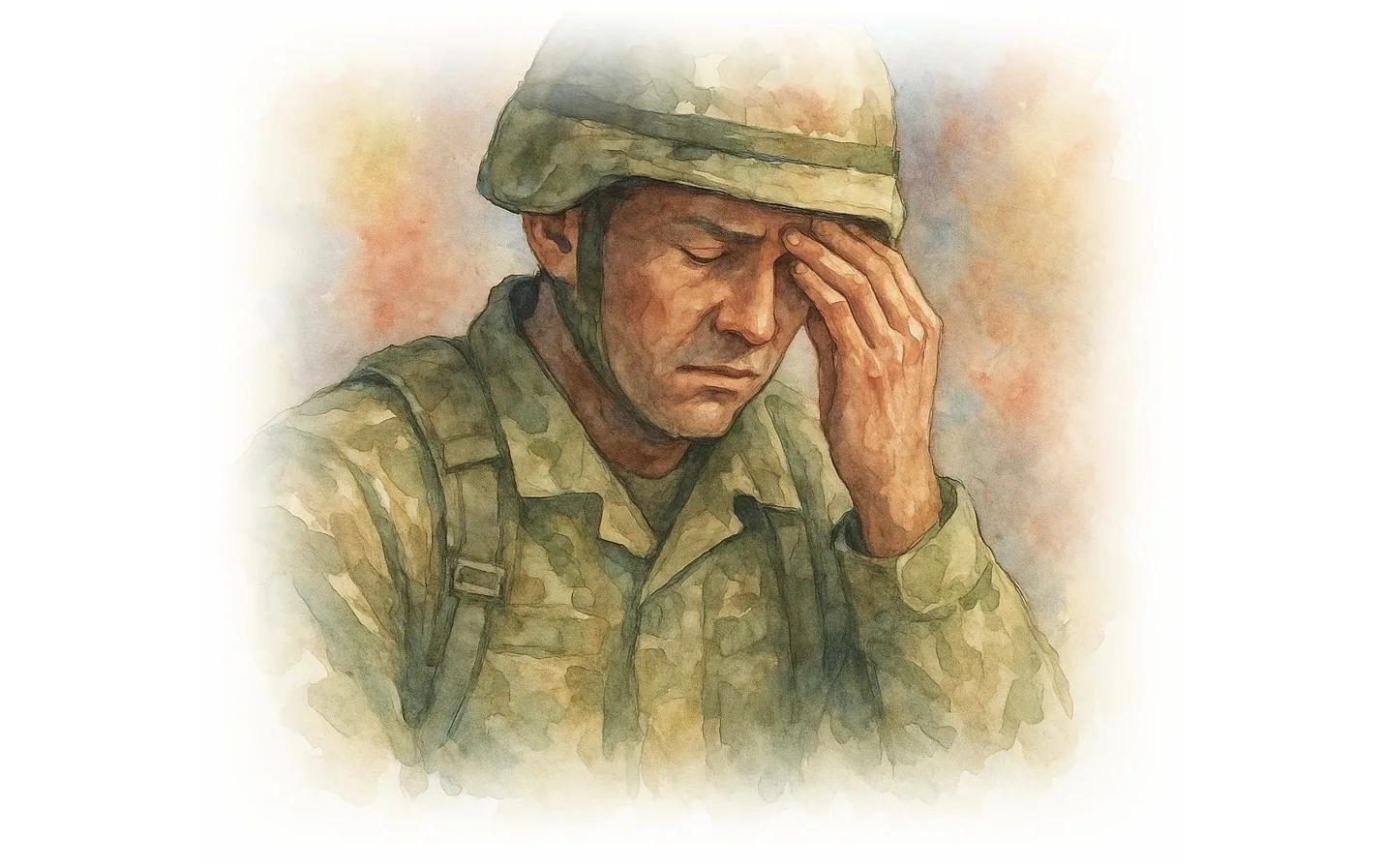
Post-Traumatic Stress Disorder (PTSD)
Post-traumatic stress disorder is one of the most prevalent and least adequately treated conditions among those who have served. Flashbacks, hypervigilance, an inability to be in certain environments, the startle response that never switched off after return, emotional numbness that extends to those closest. Some may see these as symptoms of weakness, but mostly they are consequences of the nervous system doing exactly what it was trained to do, long after the context has changed.
Our treatment for combat PTSD is constitutional and unhurried. No two cases are treated identically, because no two soldiers experienced the same war in the same way.
Remedies that may be considered:
Aconitum napellus — sudden, overwhelming terror with heart palpitations and a conviction of impending death; suited to acute panic states and the immediate aftermath of life-threatening shock.
Stramonium — violent nightmares and night terrors with a fear of darkness and of being alone; severe agitation; the nervous system remains in a state of emergency long after the event.
Opium — emotional blunting and disconnection following extreme trauma; the patient appears calm on the surface but is internally unreachable; feeling has been shut down rather than expressed.
Hyoscyamus niger — suspicion, watchfulness, and a sense of being observed or threatened; behavioural unpredictability; suited to cases where combat trauma has produced paranoid features alongside the core PTSD picture.
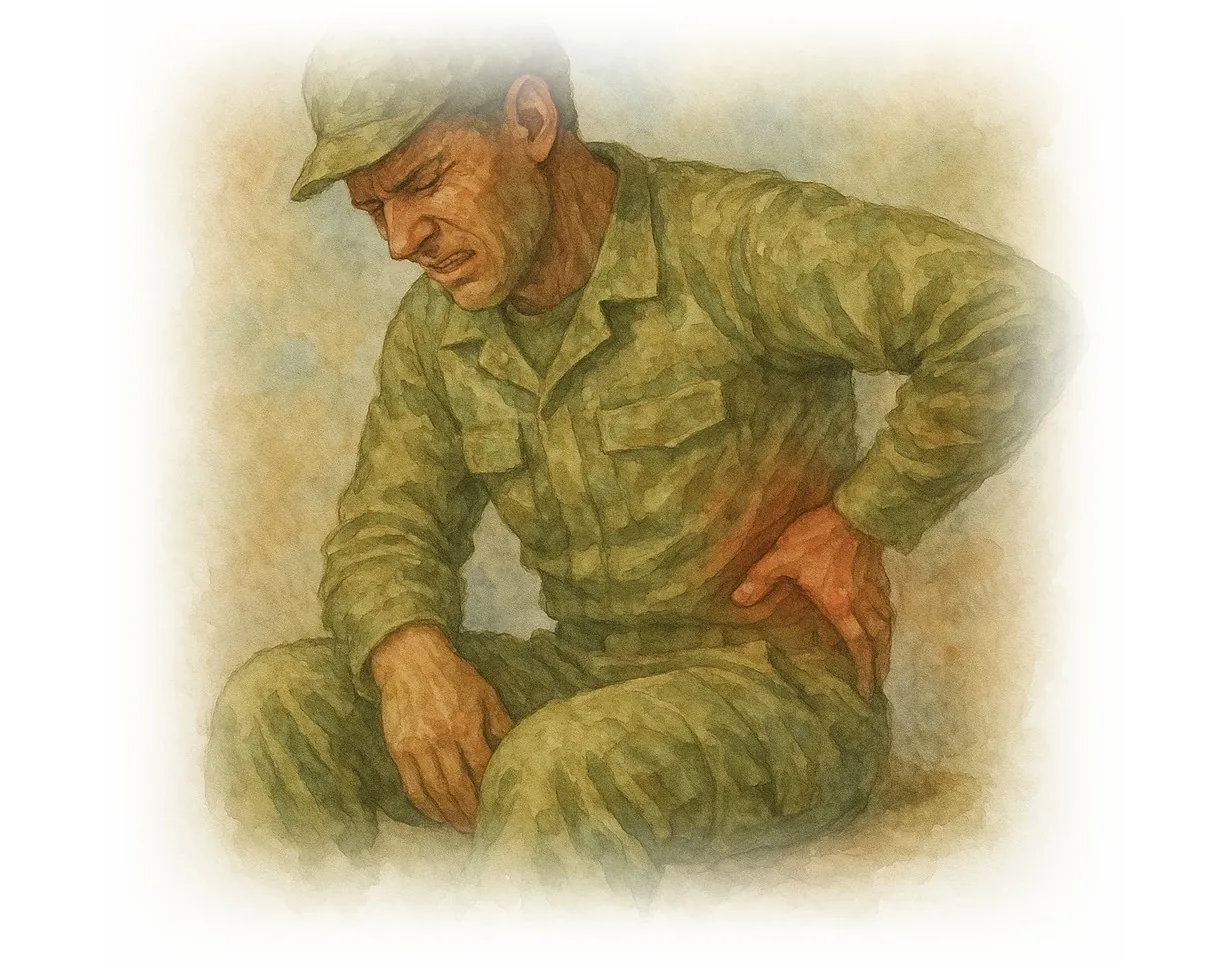
Chronic Pain Syndrome
Chronic pain is among the most commonly reported conditions in veteran populations worldwide. It arises from nerve damage, musculoskeletal injury, repetitive physical strain over years of training, service, surgical intervention, difficult terrains and the physiological effects of sustained stress. For many veterans, the pain has become so embedded in daily life that it is no longer reported as a symptom. It is simply accepted as the baseline.
We assess chronic pain in full constitutional context. The character of the pain, what aggravates and relieves it, its relationship to emotional state and sleep, and the full injury history behind it are all part of the prescribing picture. The aim is to reduce the pain burden and restore functional capacity, not simply to manage the worst days.
Remedies that may be considered:
Bryonia alba — pain that worsens significantly with any movement; the affected part demands stillness and firm support; the patient is irritable and wishes to be left undisturbed.
Hypericum perforatum — sharp, shooting, neuralgic pain travelling along nerve pathways; injuries to nerve-rich areas including the spine, fingertips, and coccyx; the primary remedy for lacerated and crushed nerve tissue.
Magnesia phosphorica — deep, cramping muscular pain that eases with warmth and firm pressure; suited to nerve and muscle pain following repetitive physical overload and long-term strain.
Ruta graveolens — deep periosteal and tendon pain with marked stiffness; the wrists, knees, and lower back are particularly affected; pain that worsens with rest and in cold damp conditions; the injury profile of long service.
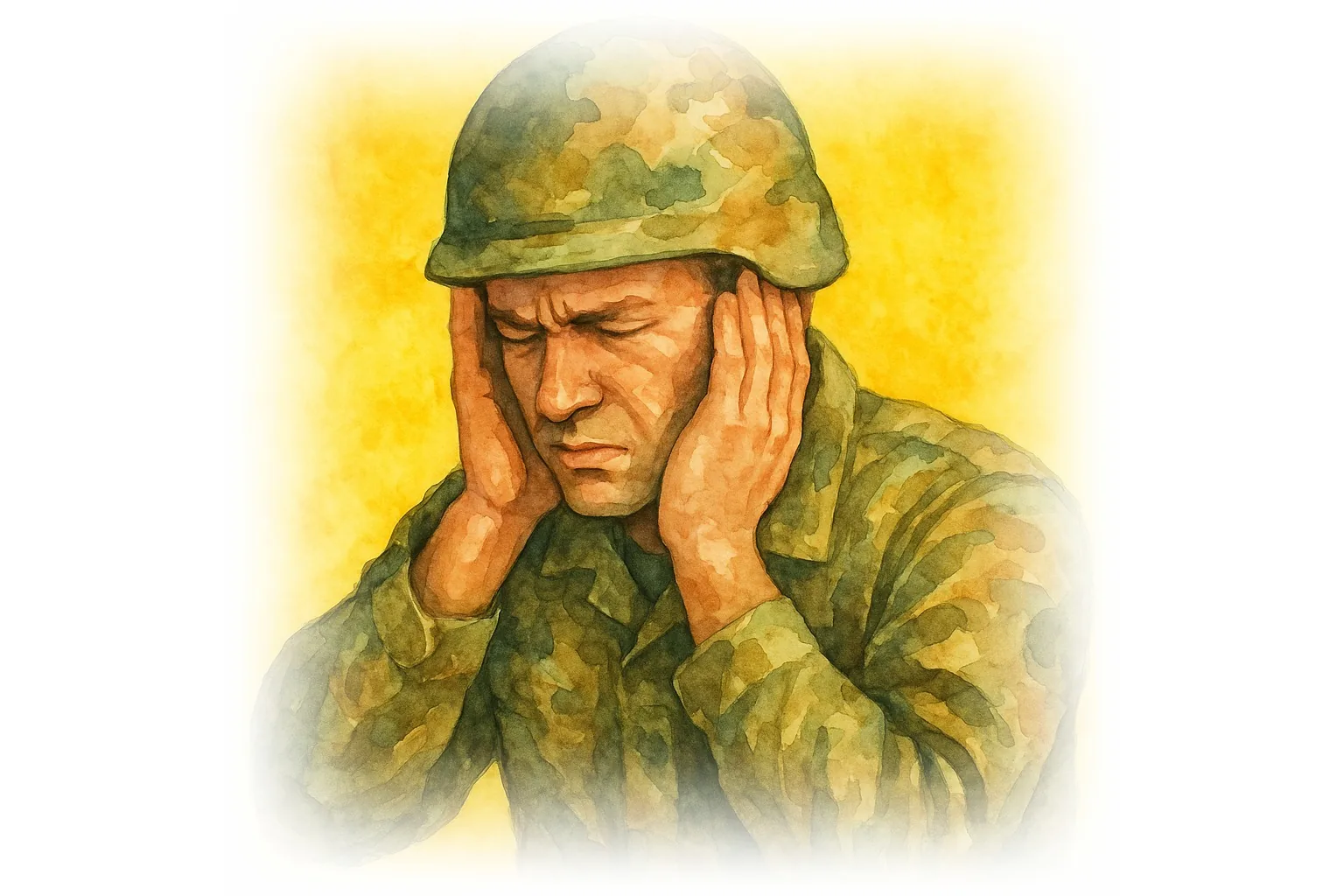
Tinnitus (Ringing in the Ears)
Tinnitus affects a disproportionately high percentage of military veterans relative to the general population, and the reason is well established. Prolonged exposure to artillery, gunfire, explosions, and heavy machinery causes cumulative noise-induced cochlear damage that conventional medicine has limited tools to address. The persistent ringing, roaring, buzzing, or hissing that remains long after service is more than an inconvenience. For many veterans, it disrupts sleep, impairs concentration, and compounds the psychological load already being carried.
Our treatment for tinnitus in veterans takes account of the character of the sound, the modalities, the degree of associated hearing loss, and any accompanying symptoms such as vertigo or headache. Treatment cannot guarantee reversal of structural hearing damage, but there is a meaningful clinical record of homoeopathy reducing the intensity and intrusiveness of tinnitus presentation.
Remedies that may be considered:
Chininum sulphuricum — persistent buzzing, humming, and roaring sounds that could worsen at night or in quiet environments; one of the most frequently indicated remedies in noise-induced tinnitus with associated hearing loss.
Salicylicum acidum — violent roaring and ringing following exposure to explosions or sustained loud noise; vertigo accompanying the tinnitus; marked hearing impairment alongside the auditory disturbance.
Natrum salicylicum — roaring tinnitus with low-frequency hearing loss and associated vertigo; closely related to Salicylicum acidum but with a more pronounced inner ear and balance picture.
Kali carbonicum — roaring and pulsating sounds in the ears with a sensation of fullness and pressure; associated stitching headaches; pronounced cold sensitivity and general exhaustion alongside the auditory symptoms.
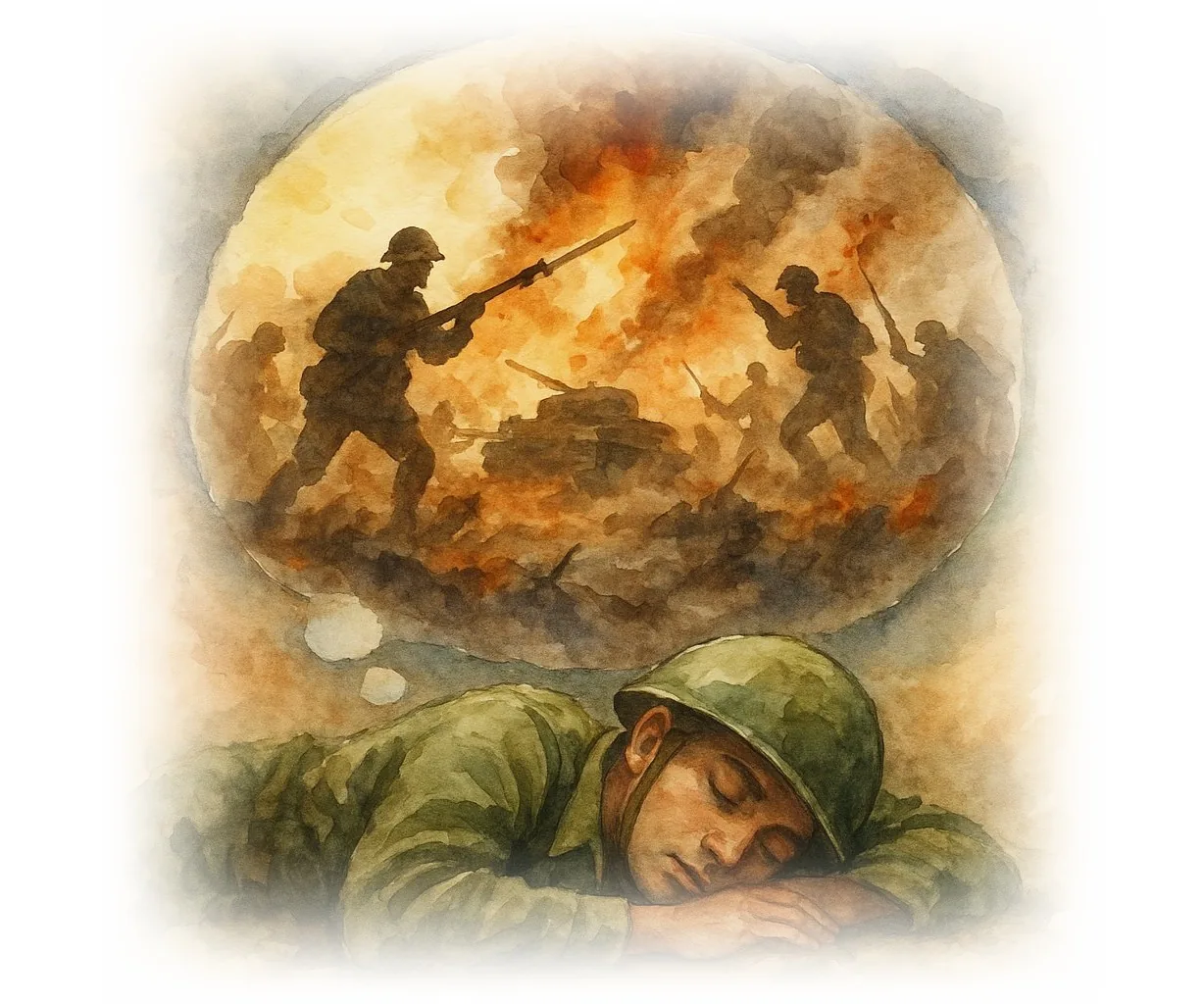
Sleep Disturbances and Insomnia
Disrupted sleep is almost universal among veterans. The hypervigilance that sustains performance in a combat environment does not simply disengage at homecoming. The nervous system remains in a state of readiness: scanning for threat, waking at sounds, resistant to the vulnerability that deep sleep requires. For others, sleep is present but populated with nightmares, intrusive memories, or a restlessness that leaves them more exhausted on waking than they were at midnight.
Chronic sleep deprivation compounds every other condition on this page. We treat sleep disturbance in veterans as a primary condition in its own right, not as a secondary effect to be addressed later.
Remedies that may be considered:
Coffea cruda — a racing, overactive mind that will not slow despite physical exhaustion; heightened sensitivity to noise and stimulus; wired and wakeful when the body desperately needs rest.
Arsenicum album — restless, anxious wakefulness that intensifies after midnight; the mind moves rapidly through fears and worst-case scenarios; suited to the veteran whose threat vigilance has never properly disengaged.
Passiflora incarnata — persistent, unrelenting sleeplessness in a patient worn down by exhaustion; too depleted to generate the physiological conditions for sleep; a gentle and reliable remedy in long-standing insomnia.
Kali phosphoricum — nerve exhaustion with an inability to generate restorative sleep; profound mental and physical fatigue that does not improve with rest; suited to veterans with long-term depletion of the nervous system.
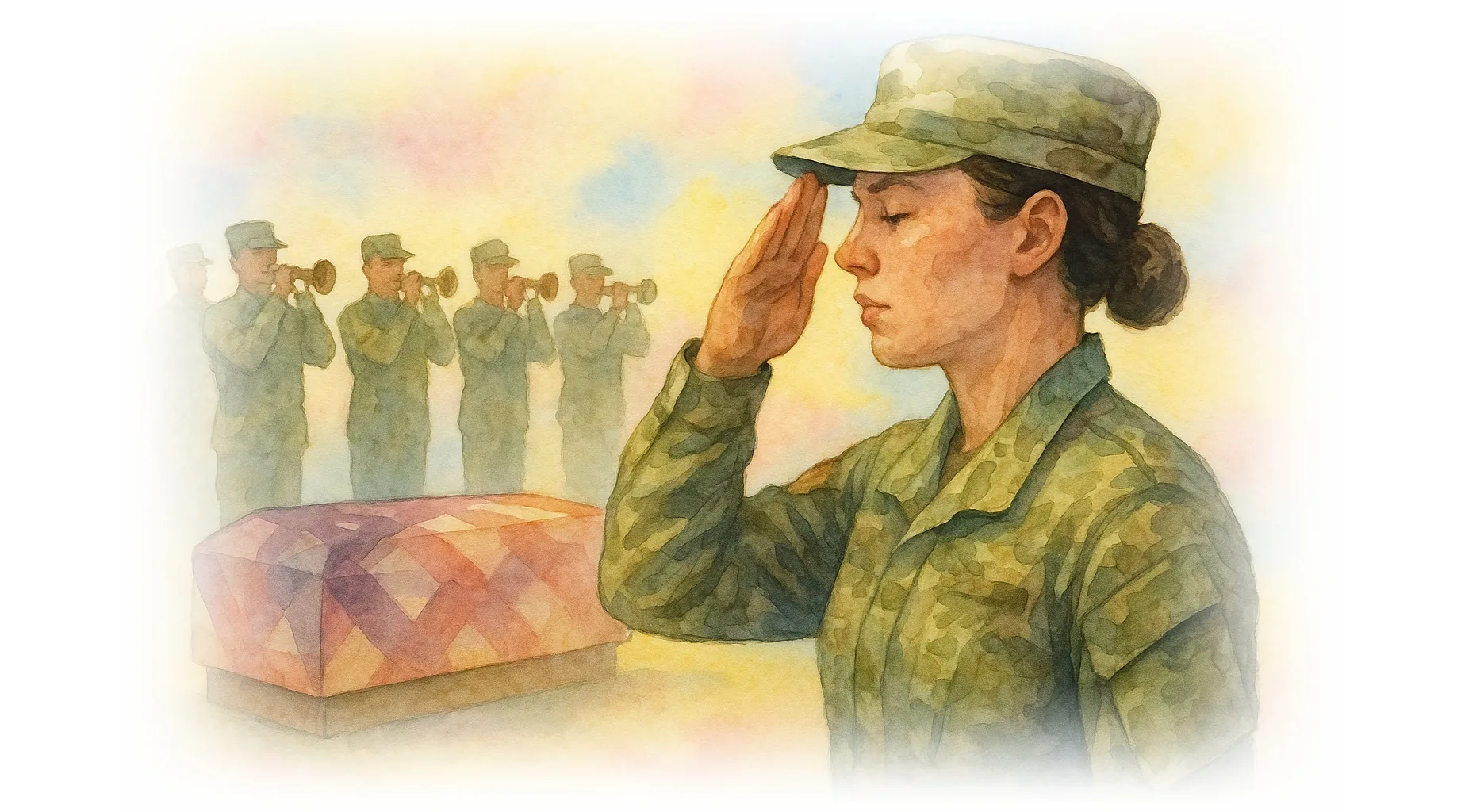
Survivor’s Guilt and Depression
Depression in military veterans carries features that are distinct from civilian presentations. Survivor’s guilt, the weight of having come home when others did not and the replaying of decisions made in seconds under conditions that most people will never face, sits at the centre of many veterans’ depressive states. It is compounded by the transition out of a structure and identity that was total, into a civilian world that can feel both trivial and incomprehensible. Many veterans carry this without naming it as depression. They function, they manage, they do not present to services.
We understand that the threshold for seeking help is higher in this population, and we meet it accordingly. Consultations are conducted by practitioners who are trained to read what is not being said as carefully as what is.
Remedies that may be considered:
Ignatia amara — silent raw grief with a lump in the throat and a tendency to hold the internal experience in check; suited to acute grief states and the period immediately following loss.
Aurum metallicum — deep, serious depression with a profound sense of personal failure; thoughts of death that carry a logical rather than impulsive quality; suited to individuals of previously high drive whose inner world has collapsed under the weight of guilt or loss.
Natrum muriaticum — depression rooted in prolonged grief or loss that has never been fully expressed; the patient withdraws from consolation and carries the weight alone; the low mood may have persisted for years without full acknowledgement.
Causticum — depression in a veteran who remains morally and politically activated; a profound sense of injustice at what was witnessed or ordered; empathy that has curdled into grief; physical weakness accompanying the emotional state.
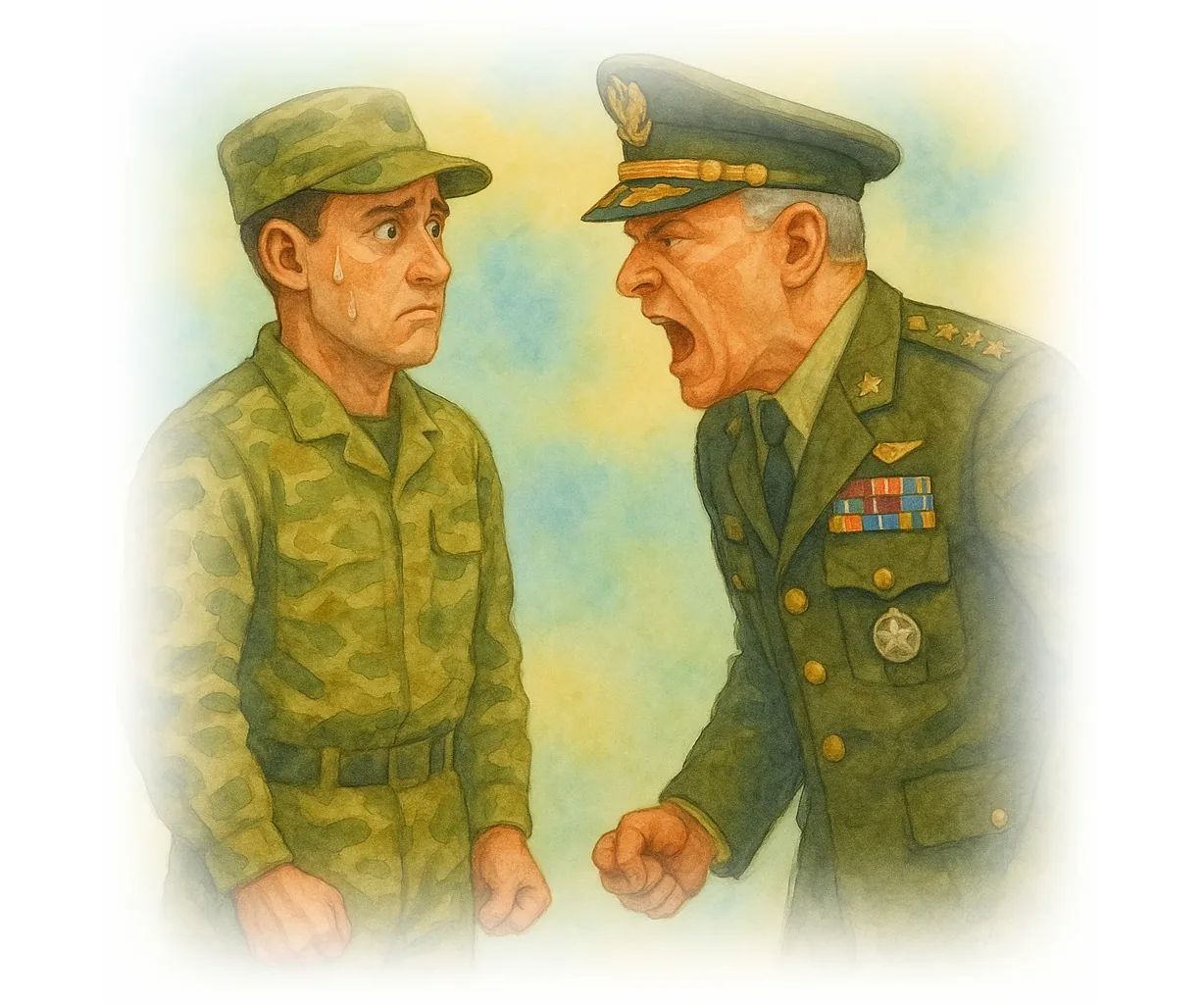
Anger Outbursts and Aggression
Anger in veterans is frequently mischaracterised as a personality problem rather than recognised as a neurological and psychological consequence of combat exposure or rigorous training. The hyperarousal that is central to PTSD produces a hair-trigger stress response, a shortened fuse, and a pattern of reactivity that the veteran often finds as distressing as those around them do. For others, the anger turns inward, presenting as withdrawal, emotional shutdown, and a cold distance from relationships that once held meaning. The victims of these outbursts suffer no less.
We look at the nature of the anger, its triggers, what it is protecting, and what lies beneath it. We look at those who have been at the receiving end of anger and how they have been dealing with it, before prescribing any remedy.
Remedies that may be considered:
Staphysagria — anger rooted in suppressed humiliation, injustice, or violation; the patient trembles with the effort of containing the rage; a history of situations where direct expression of anger was not possible.
Acidum nitricum — bitter, unrelenting resentment that does not soften with time; the veteran who has not forgiven what was done or ordered and does not intend to; a hardness that others find difficult to reach.
Lycopodium — controlled, simmering anger in a person who performs competence outwardly while carrying significant internal pressure and fear of failure; the fuse is short in private and long in public.
Hepar sulphuris calcareum — extreme irritability with a violent quality; anger that is disproportionate and rapidly provoked; heightened sensitivity to pain, cold, and perceived slight.
Sexual Dysfunction After Deployment
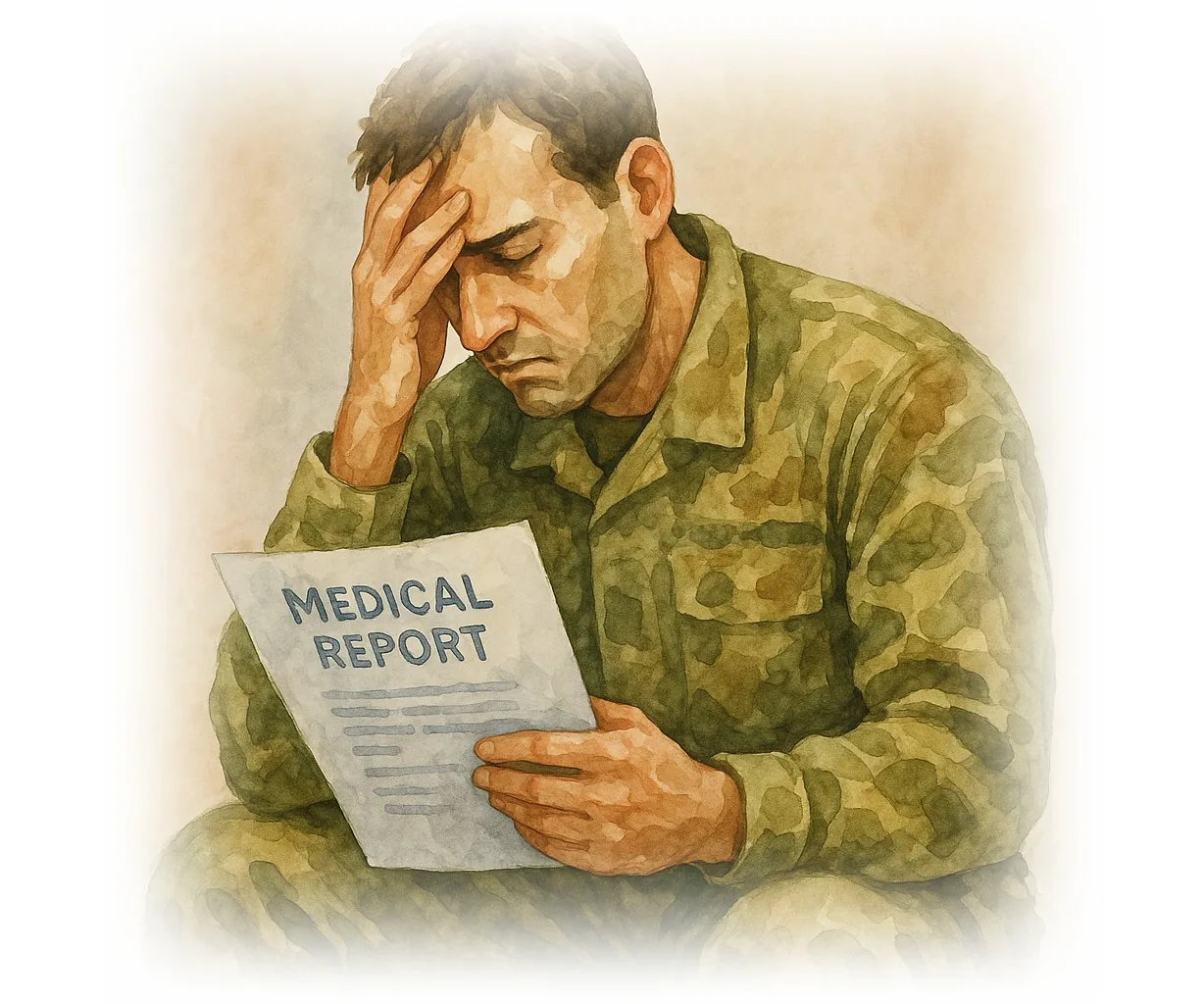
A condition that is significantly underreported among veterans, in part because it intersects with identity, self-image, and the cultural expectations that military service both shapes and reinforces. Erectile dysfunction, reduced libido, and loss of sexual confidence are recognised consequences of combat stress, risky terrains, hormonal disruption, medication use, neurological injury, and the psychological weight carried home from service.
We assess the physical and psychological components together, because they do not operate independently.
Remedies that may be considered:
Lycopodium clavatum — performance anxiety where the system is physically capable but fails under psychological pressure; low self-confidence in intimate contexts coexisting with a maintained exterior; anticipatory failure.
Selenium metallicum — exhaustion-driven loss of function; desire is present but physical capacity is depleted; involuntary emissions; marked loss of vitality following sexual activity; part of a broader picture of systemic exhaustion.
Agnus castus — gradual loss of sexual function with a sense of internal coldness; the patient is acutely aware of the change and carries significant distress about it; suited to cases where the decline has been steady rather than sudden.
Caladium seguinum — impotence where mental desire is fully intact but physical response is absent; a history of tobacco use or chronic nervous exhaustion frequently part of the background.
Head Injuries and Concussion Aftermath
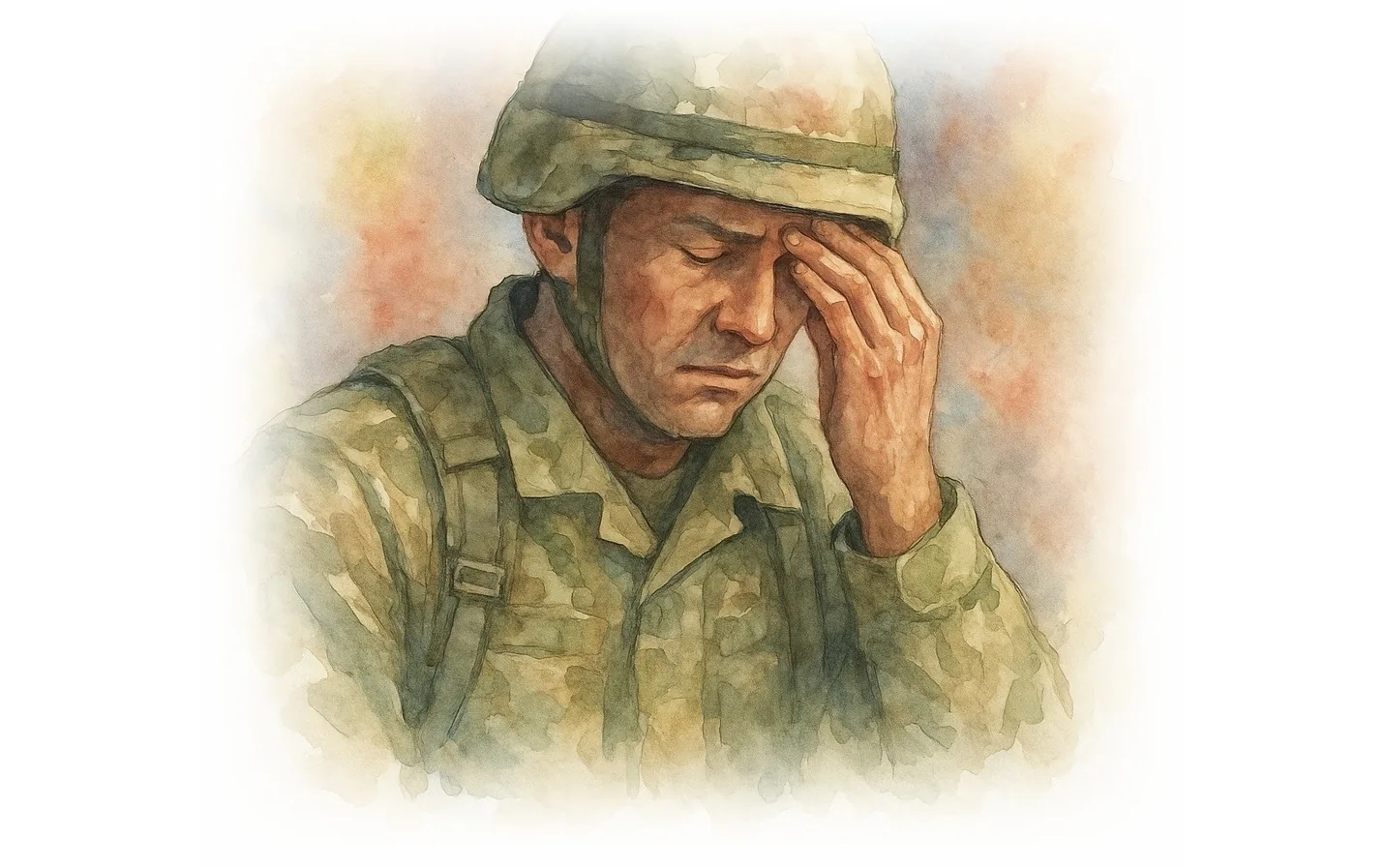
Traumatic brain injury (TBI) is among the most significant health consequences of modern military service. Blast injuries from improvised explosive devices, blunt trauma, and repeated concussive exposure produce a spectrum of neurological effects that can persist for years after the precipitating event. Cognitive fog, impaired memory, difficulty with concentration, headaches, vertigo, emotional blunting, and personality changes are all well-documented sequelae of military TBI. Conventional management of chronic TBI aftermath is largely symptomatic.
At Warrior Homoeopath, we work constitutionally with the neurological picture that the injury has produced in this individual, addressing the sequelae as parts of a single pattern rather than separate complaints.
Remedies that may be considered:
Natrum sulphuricum — a primary remedy in the long-term aftermath of head injury; depression, cognitive impairment, and vertigo following concussion or blast injury; the patient may report that they have never been well since the injury.
Helleborus niger — marked cognitive dullness and slowing after concussion; poor concentration, vacant affect, and a sense of mental distance from the environment; suited to cases where the injury has produced a significant reduction in mental sharpness.
Arnica montana — the principal remedy for concussion, bruising of brain tissue, and the minimisation of injury that follows head trauma; the patient insists they are well despite obvious impairment; suited to the acute and sub-acute phase.
Cicuta virosa — suited to cases where head injury has produced convulsive or spasmodic sequelae; muscle rigidity, tremor, and episodes of mental confusion following neurological insult.
Chemical Exposure and Toxic After-effects
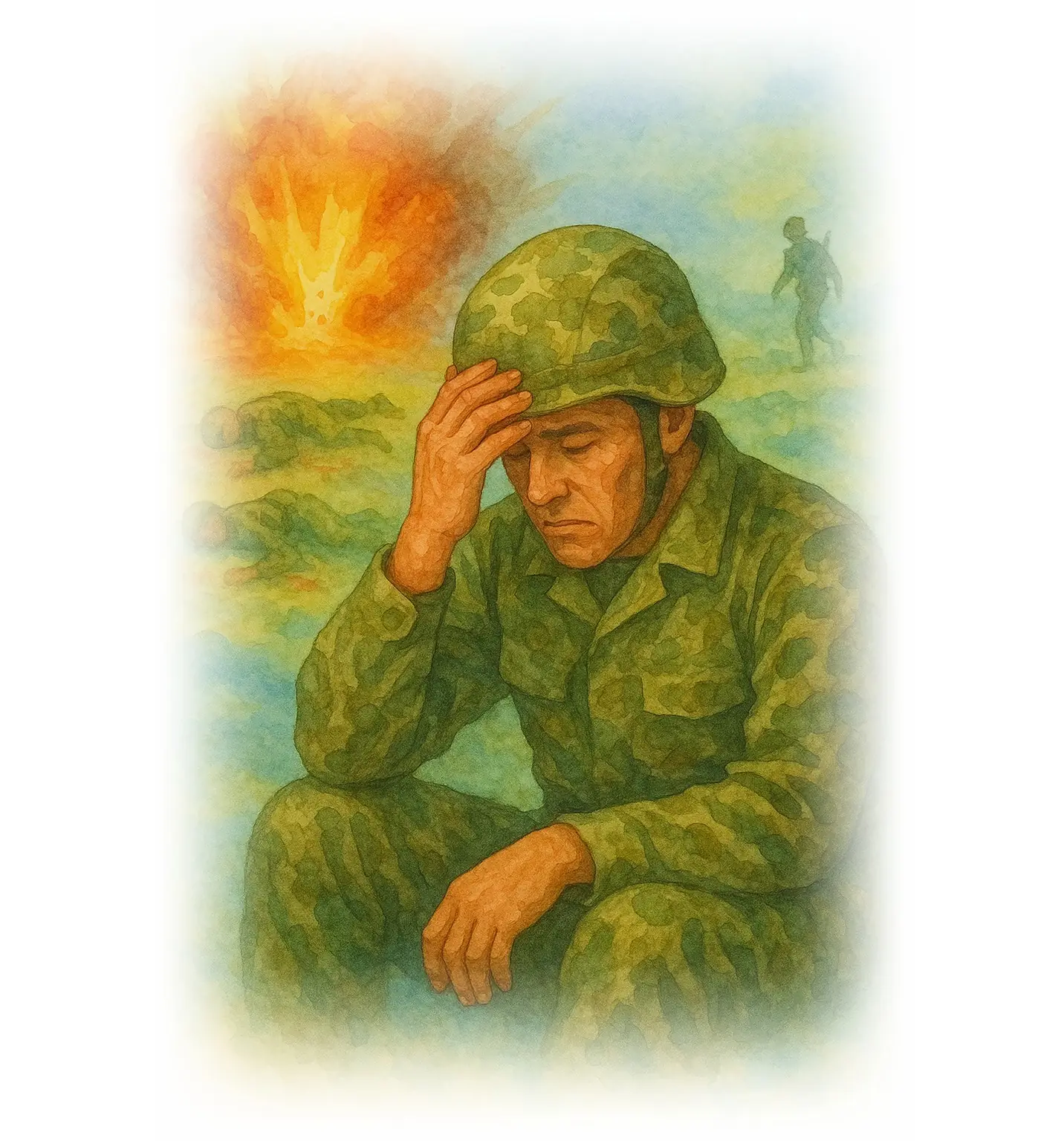
Veterans of conflicts in the Gulf, Afghanistan, Iraq, and other theatres have reported complex, multisystem health conditions following exposure to chemical agents, burn pit smoke, depleted uranium, organophosphate pesticides, and other toxic substances encountered during service. The clinical picture that emerges from chronic toxic exposure is often diffuse and difficult to attribute definitively, which has historically resulted in these conditions being undertreated or dismissed.
We take chemical exposure cases with full attention to the timeline of exposure, the onset and progression of symptoms, and the systemic pattern that has developed. Treatment is directed at supporting the body’s eliminative capacity, reducing the toxic burden on the liver and immune system, and addressing the neurological and respiratory sequelae that are most commonly reported.
Remedies that may be considered:
Carbo vegetabilis — profound weakness and breathlessness following toxic exposure; poor circulation, cold extremities, and digestive collapse; suited to cases where the vital force has been significantly reduced by the toxic insult.
Phosphorus — liver strain and nervous system sensitivity following chemical exposure; heightened reactivity to environmental stimuli; respiratory involvement and bleeding tendency in a constitution that has become hypersensitive after exposure.
Arsenicum album — burning, restless, anxious presentation following toxic ingestion or exposure; marked gastrointestinal and respiratory involvement; profound physical weakness alongside the restlessness.
Nux vomica — the principal liver and detoxification remedy; suited to cases where the chemical burden has produced digestive disruption, hypersensitivity, and an irritable constitution that is struggling to process and eliminate.
How We Work
Every consultation begins with a thorough case-taking at whatever pace suits. We cover your health history, the timeline of your service, and the full picture of how your symptoms currently present. Nothing is irrelevant, nothing is rushed.
A remedy is selected on the constitutional picture of this individual, not on the diagnostic label. Follow-up is structured and attentive. If the remedy needs adjustment, it is adjusted. We work toward restoration, not indefinite management.
Consultations are conducted by video from wherever you are, at a time that suits your schedule and time zone. Remedies are sourced locally where possible. No travel is required.
Confidentiality. All consultations are private. No information is shared with military services, employers, or any third party. UK patients consult a practitioner registered with a PSA-accredited professional body. EU patients: data handled in accordance with GDPR.
New to homoeopathy? Start with the Briefing Room. It sets out exactly what to expect at each stage of the consultation process.
Aude sapere. Dare to heal.
Remedy indicators are provided for educational context. All prescriptions at Warrior Homoeopath are based on the complete constitutional picture of the individual patient. Homoeopathic treatment is complementary and does not replace care provided by military medical services or mental health professionals.